
SV Delos Catamaran Window Installation
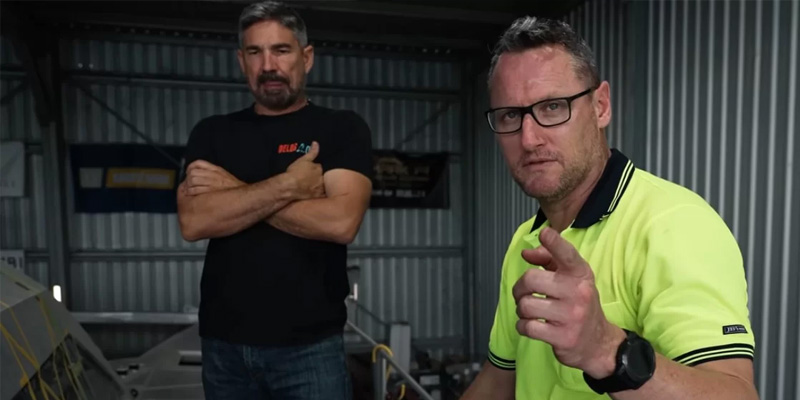
Inside the SV Delos Boat Window Installation
When the team from SV Delos began the next stage of their vessel build in Australia, one of the most technically critical components to install was the marine glazing.
This wasn’t a replacement job. This was a new build boat window installation, where the windows are integrated into the vessel structure early in the process. (Take a look at the earlier blog where we chat with… at the ALFAB factory – See blog post).
There’s a big difference. In a refit, you’re working around what exists.
In a new build, the glazing becomes part of the engineering from day one.
And that changes everything.
SV Delos
A Real-World Example of Engineered Marine Glazing
The SV Delos project shows what considered boat window installation looks like on a new vessel:
- Considered design
- Accurate templating
- Engineered glass manufacture
- Structured bonding
- Controlled curing
- Clean integration
New build boat window installation isn’t about replacing something that failed. It’s about getting it right from the start.
When marine glass is engineered, manufactured, and installed, there is a holistic consideration to each component. This contributes to the safety, performance integrity and longevity of the vessel for years to come.
The SV Delos installation offers a clear example of that process in action – thoughtful, controlled, and built for offshore reliability.
Did you see the first video with Sailing SV Delos?
Why Marine Window Installation Matters in a New Build
On a new vessel, marine windows are not just cosmetic panels added at the end.
They are:
- Structural elements
- Load-bearing surfaces
- Weather barriers
- UV protection systems
- Long-term safety components
Installed correctly, they contribute to working vessel sea going performance encompassing safety and integrity factors specifically related to their location.
Installed poorly, they introduce stress, weakness, and long-term risk.
New build marine glass installation commands precision because there’s no margin for correction later.
If you need more information about Boat Window Installation, call us or leave us a message on our contact page.
Brisbane: 07 3803 4333 / Melbourne: 03 9459 1333
Step 1: Precision Engineering & Templating
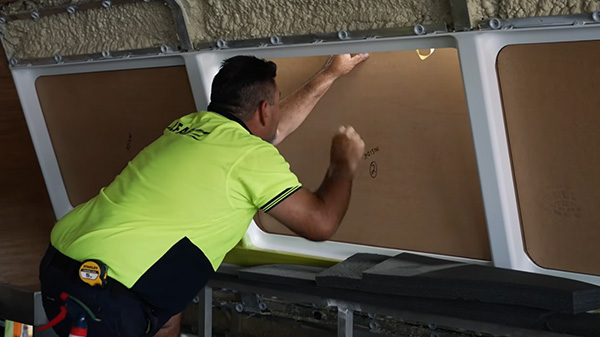
On a new build, window openings are formed during construction. That means tolerances matter.
Every millimetre influences:
- Bond line thickness
- Load distribution
- Flex allowance
- Long-term stress behaviour
Modern boat window installation increasingly relies on digital templating aswell as precise measurement to ensure the marine glass matches the engineered opening perfectly.
This reduces stress points before the glass is even manufactured.
Step 2: Manufacturing Marine Glass for Structural Integration
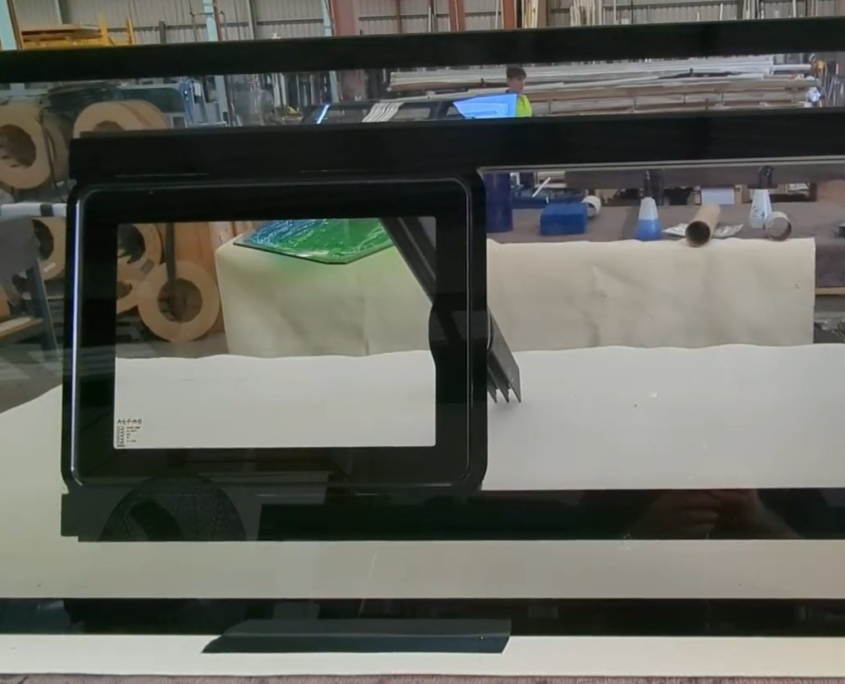
New build installations allow glazing to be purpose-built for the vessel.
Depending on design requirements, this may include:
- Toughened marine safety glass
- Laminated structural glass
- UV-resistant glazing
- Custom curvature panels
- Acrylic
- polycarbonate
Material choice is driven by:
- Vessel type
- Offshore exposure
- Structural design
- Weight distribution
- Compliance requirements
In the SV Delos installation, the windows were engineered specifically for the vessel’s design and intended offshore use.
That’s not supply-and-fit – That’s integrated marine glazing.
Step 3: Surface Preparation Before Bonding
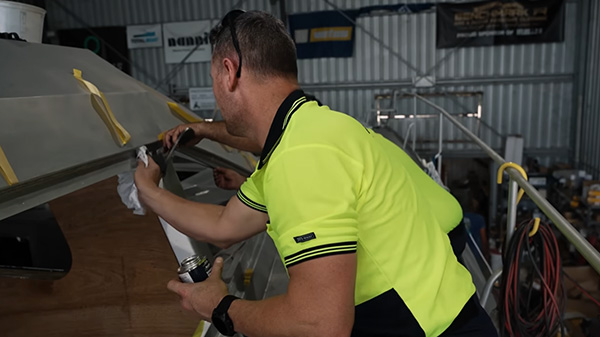
On a new build, surfaces are clean — but that doesn’t mean they’re ready.
Marine glass bonding relies on:
- Proper mechanical preparation
- Correct primers
- Adhesion compatibility
- Controlled surface chemistry
Even on brand-new substrates, preparation ensures structural adhesives achieve full bond strength.
This stage is invisible in the final result — but critical for performance and longevity.
Step 4: Structural Bonding & Installation
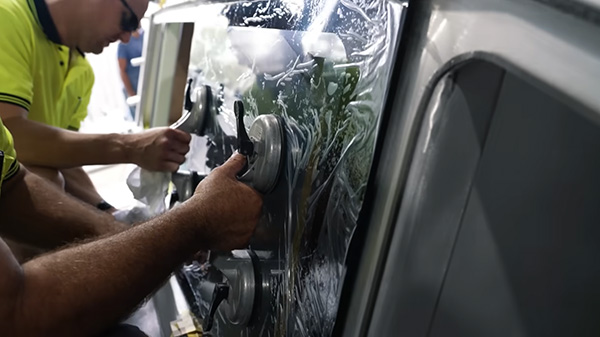
Modern boat window installation relies on advanced marine-grade structural adhesives.
These are designed to:
- Absorb hull flex
- Withstand UV exposure
- Handle thermal expansion
- Maintain elasticity over time
Bond line thickness is carefully controlled to allow movement without transferring stress directly into the glass.
On a new build, this is where glazing becomes part of the vessel’s structural system – not just an insert.
It’s deliberate, controlled work. Not rushed.
Step 5: Cure Time & Controlled Finishing
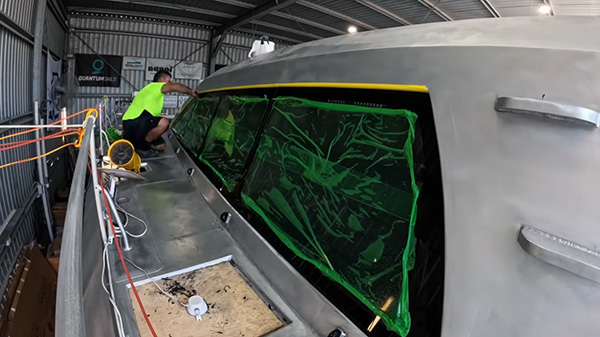
Marine adhesives require specific cure times depending on:
- Temperature
- Humidity
- Glass size
- Adhesive system used
Proper cure ensures:
- Long-term adhesion
- Structural integrity
- Watertight performance
Once cured, finishing creates the clean, integrated appearance seen in the final SV Delos build footage.
The result looks simple, even though the process isn’t.
Why New Build Marine Glazing Is Different from Replacement
Replacement installations often deal with ageing frames, corrosion, or distortion.
New builds allow:
- Clean substrate bonding
- Engineered tolerance control
- Structural integration
- Material optimisation
- Improved long-term performance
In many ways, new build boat window installation is more precise — because it sets the standard for the vessel’s lifespan.
What This Means for Builders & Owners
If you’re building a yacht, catamaran, or power vessel, marine window installation should be treated as part of the structural build program — not a finishing detail.
Proper marine glass design, manufacture and installation contribute to:
- Vessel strength
- Offshore durability
- UV performance
- Long-term leak prevention
- A clean, modern aesthetic
It’s one of those decisions that either disappears quietly for decades – or becomes a recurring issue. Contact us today to learn how to do it right the first time.

